Deep Cleaning: The Smart Way to Refresh Your Home and Protect Your Space
What Deep Cleaning Really Means
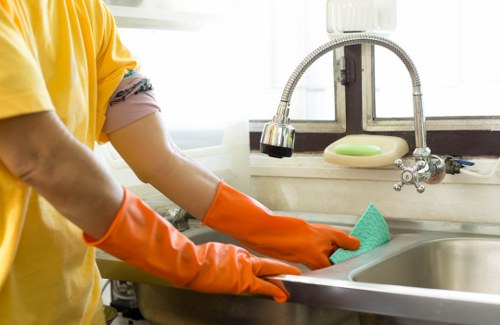
Deep cleaning is more than a quick tidy-up or a surface wipe. It targets the dirt, dust, buildup, and hidden grime that regular cleaning often misses. While routine cleaning keeps a home looking presentable, deep cleaning goes much further by focusing on neglected areas such as baseboards, vents, behind appliances, grout lines, and inside cabinets. For many households, deep cleaning is the difference between a place that simply looks clean and one that truly feels fresh, healthy, and well cared for.
Many people think of deep cleaning as something reserved for spring cleaning, moving days, or special occasions. In reality, it is an essential part of home maintenance. When deep cleaning is done on a regular schedule, it helps reduce allergens, control odors, preserve surfaces, and create a more comfortable living environment. It also supports a more organized mindset because a clean, refreshed space often makes daily routines easier and more enjoyable.
Whether you live in a busy family home, a small apartment, or a larger property, deep cleaning can make a noticeable difference. It improves appearance, hygiene, and even the lifespan of household materials. In other words, it is not just about cleanliness; it is about protecting your investment and maintaining a healthier environment for everyone who lives there.
Why Deep Cleaning Matters for Every Home
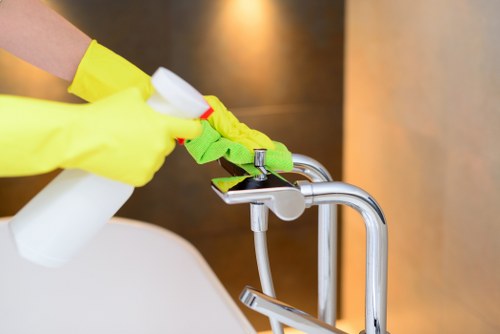
Regular dusting and vacuuming are important, but they do not address every layer of buildup. Over time, grease settles on kitchen surfaces, soap scum clings to bathroom tiles, and dust accumulates in corners that are easy to overlook. Deep cleaning removes this buildup before it becomes harder to manage. The result is a cleaner home that not only looks better but also functions better.
There are also health benefits connected to deep cleaning. Dust, pet dander, pollen, and mold spores can collect in fabrics, carpets, and hard-to-reach areas. When these particles are disturbed, they can circulate through the air and affect indoor comfort. A thorough deep cleaning routine helps lower these irritants, which is especially valuable for people with allergies, asthma, or other sensitivities.
In addition, deep cleaning helps prevent long-term damage. Stains set deeper into carpet fibers, mineral deposits harden on fixtures, and grease can wear down kitchen finishes. By removing residue early, deep cleaning protects surfaces and keeps the home looking newer for longer. That makes it a practical choice as well as a visual one.
Common areas that benefit most
- Kitchens, especially around stoves, sinks, and appliances
- Bathrooms, where moisture creates buildup and residue
- Bedrooms, particularly mattresses, under beds, and closets
- Living rooms, where dust collects on furniture and electronics
- Entryways and high-traffic floors that trap dirt quickly
How Deep Cleaning Differs from Routine Cleaning
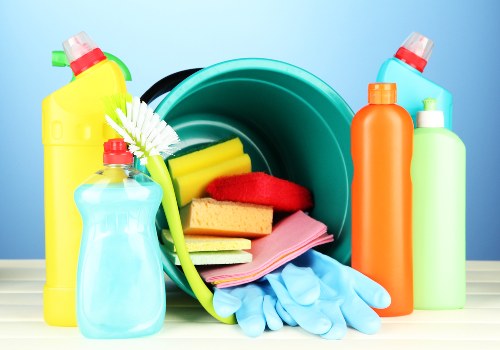
Routine cleaning keeps up with everyday messes. It includes tasks like sweeping, wiping counters, and taking out the trash. Deep cleaning, on the other hand, is more detailed and time-intensive. It involves moving beyond visible surfaces to clean areas that are often skipped during normal housekeeping. That might include scrubbing tile grout, washing window tracks, disinfecting switches, or cleaning behind furniture.
The goal of regular cleaning is maintenance. The goal of deep cleaning is restoration. When a room has gone too long without a proper reset, a deep cleaning can bring it back to a more sanitary and polished condition. This is why many homeowners choose to schedule deep cleaning seasonally or at least several times per year.
Another major difference is technique. Routine tasks may take only minutes, but deep cleaning often requires specific products, tools, and a more strategic approach. Using the right method matters because certain surfaces need gentle care while others need stronger degreasers or disinfectants. A successful deep cleaning plan balances efficiency with attention to detail.
Examples of deep cleaning tasks
- Cleaning inside the oven, refrigerator, and microwave
- Wiping baseboards, vents, and trim
- Scrubbing bathroom tile, tubs, and shower doors
- Vacuuming upholstery and under furniture
- Cleaning blinds, light fixtures, and ceiling fans
Room-by-Room Deep Cleaning Priorities

To make deep cleaning more manageable, it helps to think room by room. Every area of the home has different problem spots, and focusing on these zones keeps the process organized. A structured approach also helps avoid unnecessary repetition and ensures nothing important is missed.
In the kitchen, grease and food residue are usually the biggest concerns. Deep cleaning should include the outside and inside of appliances, cabinet fronts, backsplash areas, and hidden corners where crumbs gather. Pay special attention to handles, switches, and sink drains because these are frequently touched and can harbor bacteria.
Bathrooms require a different strategy. Because moisture is constant, deep cleaning in these areas should focus on limescale, soap scum, mildew, and grime around fixtures. Toilets, tubs, shower glass, and grout lines all need more than a quick wipe. Proper ventilation and drying also matter, since excess moisture can encourage future buildup.
Living spaces and bedrooms
Living rooms and bedrooms may look clean on the surface, but they often hold a surprising amount of dust. Upholstered furniture, curtains, rugs, mattresses, and hidden spaces under beds or sofas should be included in any deep cleaning schedule. These rooms benefit from vacuuming with attachments, fabric care, and detailed dust removal from shelves, frames, and decor.
Deep cleaning these areas can improve air quality and create a calmer atmosphere. It also makes it easier to maintain tidy spaces afterward. When clutter is reduced and surfaces are thoroughly cleaned, daily upkeep becomes simpler and less stressful.
Effective Deep Cleaning Methods That Save Time
Many people delay deep cleaning because it seems overwhelming. The best way to handle it is to break the work into smaller, focused steps. A clear method helps save time and ensures you get better results without feeling exhausted halfway through. Starting with the dirtiest or most difficult areas can also create momentum and make the entire process feel more rewarding.
One effective approach is to clean from top to bottom. Begin with ceiling fans, shelves, and light fixtures before moving to countertops, furniture, and floors. This prevents dust and debris from falling onto already cleaned surfaces. Another smart technique is to work from dry to wet cleaning. Dusting and vacuuming first makes mopping and wiping more effective.
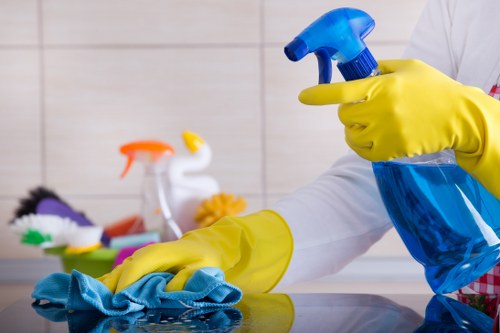
Using the right products is equally important. Degreasers work well in kitchens, while disinfectants are useful in bathrooms and high-touch zones. Microfiber cloths, scrub brushes, and vacuum attachments can also make a big difference in deep cleaning results. The best tools are often simple, but they should be chosen for the task at hand.
Helpful deep cleaning strategy
- Create a checklist for each room
- Gather supplies before starting
- Focus on one area at a time
- Allow extra time for stubborn buildup
- Finish with floors to capture remaining debris
Deep Cleaning Supplies That Make the Job Easier
The right supplies can simplify deep cleaning and improve results. You do not need a complicated collection of products, but you do need a reliable set of essentials. A good cleaner should be effective, safe for the surface, and easy to use. The goal is to make deep cleaning efficient without causing damage or leaving residue behind.
Some of the most useful supplies include microfiber cloths, a vacuum with attachments, a mop, scrub brushes, an all-purpose cleaner, glass cleaner, a disinfecting solution, baking soda, and vinegar. Each item has a role to play depending on the room and the level of buildup. For example, baking soda is excellent for deodorizing, while microfiber cloths trap dust better than traditional rags.
It is also wise to keep specialty products on hand for specific tasks. Stainless steel cleaner, tile and grout cleaner, and upholstery shampoo can help with areas that need targeted treatment. The best deep cleaning results come from matching the product to the surface rather than using a one-size-fits-all approach.
Safety tips for using cleaning products
- Read labels before mixing or applying products
- Test new cleaners on small hidden areas first
- Keep rooms ventilated during use
- Wear gloves when handling strong solutions
- Store supplies away from children and pets
Seasonal Deep Cleaning and Maintenance Habits
Many homeowners find that seasonal deep cleaning is the most practical schedule. Spring and fall are popular times because they provide a natural reset between weather changes. However, the right timing depends on your lifestyle, household size, pets, and overall use of the space. A busy home may need deep cleaning more often than a quiet one.
Seasonal deep cleaning often includes tasks such as washing windows, cleaning air vents, refreshing upholstery, organizing storage areas, and wiping hard-to-reach surfaces. These bigger jobs can be rotated throughout the year so they do not become overwhelming. By dividing the work into seasonal tasks, you can maintain a cleaner home without spending every weekend catching up.
In between major sessions, simple maintenance habits help preserve the results. Wiping spills quickly, vacuuming regularly, and cleaning high-touch surfaces can reduce the need for intensive cleanup later. This combination of routine upkeep and deep cleaning creates a balanced system that works well for most households.
Seasonal focus areas
- Spring: windows, carpets, and storage spaces
- Summer: kitchens, entryways, and outdoor tracking dirt
- Fall: vents, baseboards, and fabric refreshes
- Winter: high-touch surfaces, floors, and indoor dust control
Deep Cleaning for Special Situations
There are times when deep cleaning becomes especially important. Moving into a new home, preparing for guests, recovering after renovations, or managing a home with pets and children can all create extra cleaning demands. In these situations, deep cleaning is not just about appearance. It helps reset the space and address issues that may have built up over time.
After renovations, for example, fine dust can settle on nearly every surface. This dust often hides in vents, corners, and fabric, making thorough cleanup essential. In rental turnovers or move-in situations, deep cleaning helps ensure the home feels fresh and ready for daily life. It can also uncover maintenance issues that might otherwise go unnoticed.
Homes with pets often need more frequent deep cleaning because fur, dander, and odors can collect quickly. Likewise, households with children may need extra attention on floors, furniture, and shared surfaces. A thoughtful deep cleaning routine helps keep these busy environments healthier and more manageable.
When professional help may be useful
Some situations call for extra support. Large homes, severe buildup, limited mobility, or tight schedules may make a professional deep cleaning service a smart choice. Professional support can save time and deliver a more detailed clean, especially for hard-to-reach or labor-intensive tasks.
How Deep Cleaning Supports Better Living
There is a noticeable difference between a home that is simply maintained and one that is truly cared for. Deep cleaning supports better living by improving comfort, hygiene, and organization. A cleaner environment can help reduce stress, make daily routines smoother, and create a more welcoming atmosphere for everyone in the household.
People often underestimate the psychological benefit of a clean space. When clutter and grime are reduced, rooms feel larger, brighter, and more peaceful. This can improve focus and make relaxation easier. In that sense, deep cleaning is not just a household chore; it is a form of home improvement that affects mood and lifestyle.
It also encourages long-term responsibility. Once you experience the results of a proper deep cleaning, it becomes easier to value ongoing maintenance. That mindset shift can lead to better habits, more organization, and less buildup over time. A cleaner home becomes easier to enjoy and easier to keep that way.
Benefits at a glance
- Improved indoor freshness
- Reduced dust and allergens
- Longer-lasting surfaces and finishes
- Better organization and comfort
- More efficient routine cleaning afterward
Choosing the Right Deep Cleaning Approach
Not every home needs the same deep cleaning plan. The best approach depends on the layout of the property, the materials used in the home, the amount of activity in each room, and the level of buildup present. A small apartment may need a focused, efficient session, while a larger family house may benefit from a multi-day strategy.
Start by identifying the biggest trouble spots. In many homes, the kitchen and bathrooms deserve the most attention, followed by high-traffic floors and dust-prone surfaces. Once priority areas are handled, move to less urgent tasks such as baseboards, storage areas, and decorative items. This keeps the process practical and prevents burnout.
Consistency is the real secret to successful deep cleaning. One intensive cleaning session can make a home feel renewed, but regular follow-up keeps it that way. When you build deep cleaning into your home care routine, the work becomes easier, the results last longer, and the entire home benefits from better upkeep.
Final thoughts
Deep cleaning is one of the most valuable habits for maintaining a healthier, more comfortable home. It reaches the places routine cleaning misses, supports better indoor air quality, and helps preserve the condition of your living space. With the right tools, a clear plan, and a consistent schedule, deep cleaning becomes less intimidating and far more effective.
If you are ready to transform your home with a detailed, refreshing clean, now is the perfect time to take action. Book your service now or contact us today to get started on a deeper, more satisfying clean that makes your space shine.