Communal Area Cleaning for Safer, Healthier, and More Welcoming Shared Spaces
Communal area cleaning is one of the most important parts of maintaining residential, commercial, and mixed-use properties. Whether you manage an apartment block, a housing estate, an office complex, or a shared building with multiple tenants, the cleanliness of common areas affects safety, comfort, appearance, and even property value. A well-planned communal area cleaning routine helps ensure that lobbies, hallways, stairwells, lifts, reception spaces, and shared facilities stay fresh, hygienic, and presentable throughout the year.
In many buildings, communal spaces create the first impression. They are used daily by residents, visitors, staff, contractors, and delivery teams. If these areas are neglected, dirt builds up quickly, odours spread, and maintenance problems can go unnoticed. By contrast, consistent communal area cleaning supports a better living or working environment and reduces the risk of slip hazards, pest issues, and long-term damage.
Today, property managers and building owners increasingly recognise that communal area cleaning is not just about appearance. It is also about operational efficiency, health and safety compliance, and resident satisfaction. When shared spaces are cleaned properly, people feel more comfortable using them, and the whole property benefits.
Why Communal Area Cleaning Matters

Shared spaces experience heavier foot traffic than private areas, which means they gather dust, mud, litter, smudges, and germs more quickly. Effective communal area cleaning helps control the visible and invisible buildup that can make a property feel neglected. From entrance mats to lift buttons, every touchpoint matters.
Clean communal spaces also contribute to a healthier atmosphere. Hallways and staircases can trap dirt carried in from outside, while enclosed areas may retain odours and airborne particles. Regular communal area cleaning reduces these issues and helps improve indoor comfort for everyone who uses the building.
There is also a strong practical reason to prioritise shared-space maintenance. Floors that are not cleaned regularly can become slippery. Debris left in corridors can create trip hazards. Spills ignored in common kitchens or lounges may lead to stains or pest attraction. A reliable cleaning schedule prevents these problems before they escalate.
What Areas Are Included in Communal Area Cleaning?
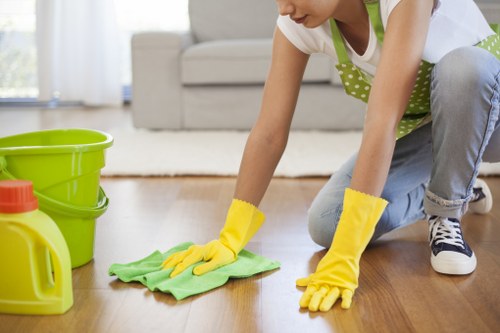
Communal area cleaning covers any space shared by multiple users within a building or property. The exact areas depend on the site, but most cleaning plans include a combination of the following:
- Entrance lobbies and reception areas
- Hallways and corridors
- Stairwells and landings
- Lifts and lift buttons
- Shared kitchens and break areas
- Communal bathrooms and toilets
- Bin stores and waste collection points
- Mailrooms and parcel areas
- Car parks, external paths, and loading zones
- Shared lounges, meeting areas, and amenity rooms
In apartment buildings, communal area cleaning often focuses on the paths residents use most frequently. In offices or commercial buildings, the emphasis may shift toward reception zones, washrooms, lifts, and staff areas. Either way, the purpose remains the same: to keep shared spaces clean, safe, and usable.
Some properties also require specialist communal area cleaning, such as periodic deep cleaning for carpets, upholstery, or high-touch surfaces. This is particularly useful in buildings with heavy traffic or limited ventilation.
Key Benefits of Professional Communal Area Cleaning
Improved first impressions
The visual condition of a communal space sets the tone for the entire property. Visitors often judge a building within seconds of walking through the entrance. Clean floors, polished surfaces, fresh-smelling corridors, and tidy shared areas all reflect positively on the management of the site. Communal area cleaning is therefore an important part of property presentation.
For residents and tenants, a clean common area also creates a sense of pride and respect. People are more likely to keep areas tidy when the environment is already well maintained. That positive cycle makes the building easier to manage in the long run.
In business settings, well-executed communal area cleaning can support a more professional image for clients, staff, and partners. It suggests attention to detail and a commitment to high standards.
Better hygiene and reduced spread of germs
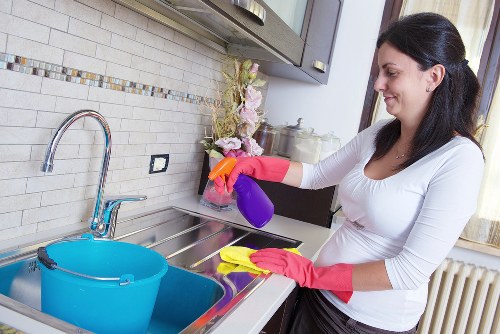
Shared touchpoints such as handrails, door handles, intercom systems, lift controls, light switches, and reception counters can collect bacteria and viruses throughout the day. Regular communal area cleaning with appropriate disinfecting methods helps reduce the spread of germs in these frequently used spaces.
This is especially important in buildings with children, older adults, healthcare staff, or large numbers of office workers. Clean communal areas support better public health by limiting the buildup of contaminants on surfaces that many people touch.
To achieve strong hygiene outcomes, cleaning teams should focus on both visible dirt and hidden contamination. That means cleaning, sanitising, and refreshing the space consistently rather than only responding when areas look dirty.
Enhanced safety
Safety is another major advantage of regular communal area cleaning. Wet floors, loose debris, cluttered corridors, and neglected spills all increase the risk of accidents. Well-maintained common areas help reduce these hazards.
In addition, regular cleaning can reveal maintenance issues earlier. Leaks, cracks, broken tiles, faulty lighting, and damaged fixtures are easier to spot when the area is kept clean. This makes it simpler for property managers to arrange repairs quickly.
What a Strong Communal Area Cleaning Plan Should Include
Every property is different, but a successful communal area cleaning plan usually includes daily, weekly, and periodic tasks. The best results come from a schedule tailored to the building’s size, traffic levels, and shared facilities.
Daily tasks may include:
- Emptying bins and replacing liners
- Removing litter and visible debris
- Cleaning entrance floors and mats
- Wiping touchpoints such as handles and buttons
- Dusting accessible surfaces
- Mopping hard floors where required
- Checking washrooms and replenishing consumables
These tasks help keep communal areas looking tidy throughout the day and reduce the risk of unpleasant build-up. They are the foundation of most communal area cleaning routines.
Weekly tasks may include:
- Vacuuming carpets and runners
- Polishing metal or glass surfaces
- Cleaning skirting boards, corners, and ledges
- Washing stair treads and landings
- Disinfecting high-touch points in depth
- Cleaning shared kitchen appliances
Weekly work reaches areas that do not always need daily attention but still contribute to the overall cleanliness of the building. It supports a consistent standard and prevents dirt from settling into surfaces.
Periodic deep cleaning tasks
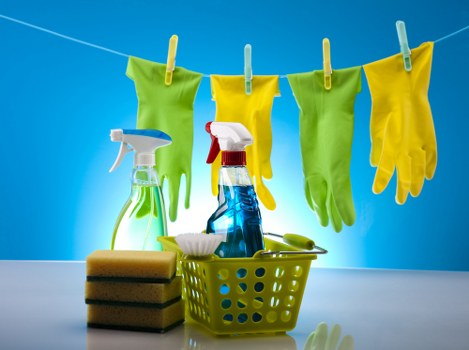
Even the best communal area cleaning schedule needs periodic deep cleaning. This may include carpet shampooing, machine scrubbing of floors, washing internal windows, removing marks from walls, and detailed cleaning of vents or corners. These tasks help preserve the condition of the property and improve long-term hygiene.
Deep cleaning is often scheduled monthly, quarterly, or seasonally depending on use. Buildings with high visitor traffic or special sanitation requirements may need more frequent attention. Seasonal deep cleaning can also be useful after winter weather, when mud, salt, and moisture are more likely to be tracked indoors.
Communal area cleaning becomes far more effective when routine maintenance and deep cleaning are combined into one system. Daily tidying keeps the space presentable, while periodic intensive cleaning restores freshness and tackles grime that accumulates over time.
How Communal Area Cleaning Supports Property Value
Well-maintained shared areas have a noticeable effect on how people perceive a property. Clean entrances, polished hallways, and tidy lifts make a building feel cared for. That impression can influence rental demand, occupancy rates, and buyer interest. In this sense, communal area cleaning is not only an expense; it is an investment in the asset itself.
Neglected shared spaces can quickly send the wrong message. Peeling paint, dirty walls, stale odours, and unclean flooring may suggest poor management, even if the private units are in good condition. Regular communal area cleaning helps protect the value of the overall building by keeping common spaces attractive and functional.
For landlords and managing agents, this can also help reduce complaints and improve tenant retention. People are more likely to stay in a building that feels safe, pleasant, and professionally maintained. In competitive property markets, communal area cleaning can make a real difference.
Higher tenant satisfaction
Residents often use communal spaces every single day. If these areas are dirty or poorly managed, frustration can grow quickly. On the other hand, consistent communal area cleaning shows that the building is cared for and that resident wellbeing matters.
When people feel that shared areas are kept in good condition, they are more likely to respect building rules and cooperate with management. That can lead to fewer conflicts and a better overall community atmosphere.
Challenges in Communal Area Cleaning
Although communal area cleaning brings many benefits, it also comes with challenges. Buildings vary in size, layout, and occupancy, which means cleaning requirements can change significantly from one site to another. A high-rise apartment block may need different procedures from a small office building or a mixed-use development.
High-traffic periods can make maintenance more difficult. Rainy weather, muddy shoes, and seasonal dust can increase the cleaning workload. Shared facilities such as bin rooms, toilets, and kitchens may also require extra attention to manage hygiene and odour control. In some cases, noisy cleaning activities need to be scheduled carefully so they do not disturb residents or workers.
Another challenge is consistency. A property may look clean one day and untidy the next if the plan is not followed regularly. This is why reliable routines, clear responsibilities, and appropriate supplies are essential for effective communal area cleaning.
Common problems that cleaning teams address
Professional cleaners often handle recurring issues such as:
- Footprints on floors and walls
- Finger marks on glass and metal
- Overflowing bins and waste buildup
- Dust on ledges, skirting boards, and vents
- Stains in carpets or stair runners
- Odours in enclosed spaces
- Mud and salt carried indoors during wet weather
Each of these issues can undermine the appearance and hygiene of a property. A responsive communal area cleaning strategy addresses them before they become persistent problems.
Why consistency matters
Cleaning a communal space once is not enough. Shared environments need repeat attention because they are used continuously. That is why the best communal area cleaning services focus on regularity, not just occasional effort.
Consistency helps preserve flooring, prevent staining, and reduce the amount of deep cleaning needed later. It also ensures that users always encounter a space that feels cared for and professional.
Best Practices for Effective Communal Area Cleaning
If you want communal area cleaning to deliver reliable results, a few best practices make a significant difference. First, the cleaning plan should be adapted to the building’s actual usage patterns. A quieter site may not need the same frequency as a busy one with constant footfall.
Second, cleaners should focus on high-touch areas and high-visibility surfaces. These spaces are the most noticeable to residents and visitors, and they are often the most important for hygiene. A strong communal area cleaning routine balances appearance with sanitation.
Third, communication is essential. Property managers, cleaners, and building users should all understand the schedule and expectations. When everyone knows when and how shared areas are maintained, cooperation improves and disruptions are reduced.
Useful best practices include:
- Creating a clear cleaning schedule for daily, weekly, and monthly tasks
- Using the right cleaning products for each surface
- Prioritising touchpoints and entry areas
- Recording completed tasks to maintain accountability
- Adjusting the plan for seasonal or occupancy changes
- Inspecting the property regularly for problem areas
These steps help create a structured and efficient approach to communal area cleaning that supports long-term cleanliness and safety.
Choosing the Right Communal Area Cleaning Service
When selecting a provider for communal area cleaning, it helps to look for experience, reliability, and flexibility. A professional team should be able to assess the property, recommend a suitable cleaning frequency, and adapt the service as needs change.
It is also important to understand what is included in the service. Some providers may focus on basic surface cleaning, while others offer more detailed maintenance such as deep cleaning, floor care, and consumable checks. The right choice depends on the building’s requirements and budget.
Another factor is consistency of staff. Cleaning shared areas often works best when the same team understands the property layout and routines. That familiarity can lead to better results and quicker identification of issues. A dependable communal area cleaning service can become an essential part of building management.
Questions to consider before booking:
- How often will the communal areas be cleaned?
- What tasks are included in the service?
- Can the cleaning plan be tailored to the building?
- Are deep cleaning services available?
- How are quality and consistency monitored?
Book your service now if you want your shared spaces to stay clean, safe, and welcoming throughout the year. Choosing the right partner for communal area cleaning can save time, reduce stress, and improve the overall condition of the property.
Seasonal Considerations for Communal Area Cleaning
Communal area cleaning should never remain static across the year. Different seasons introduce different challenges, and an effective plan adjusts accordingly. In winter, wet shoes, salt, mud, and damp conditions make entrance cleaning and floor care especially important. In spring and summer, dust, pollen, and increased foot traffic may require more frequent attention to windows, mats, and ventilation-sensitive areas.
Autumn often brings leaves, moisture, and debris into shared entrances and pathways. That means external areas, foyers, and stairwells may need a little extra attention to maintain a tidy appearance. Seasonal flexibility is one of the simplest ways to improve the effectiveness of communal area cleaning.
Properties that plan ahead can reduce the impact of weather-related mess before it spreads indoors. This means more than cleaning up after the fact; it means anticipating what is likely to happen and responding proactively.
Seasonal tasks to prioritise
- Increase mat cleaning during wet weather
- Check for water ingress near entrances
- Remove seasonal debris from paths and entrances
- Refresh odour control in enclosed shared areas
- Deep clean floors after heavy seasonal use
Communal Area Cleaning and Sustainability
Modern communal area cleaning can also support sustainability goals. Many property managers now look for cleaning approaches that reduce waste, use water responsibly, and minimise harsh chemical use where possible. Eco-conscious cleaning methods can still deliver strong hygiene results while supporting a greener building strategy.
Examples of sustainable practices include using concentrated products correctly, selecting reusable cleaning tools, and planning routes that reduce unnecessary movement. Smart scheduling can also reduce energy use, particularly in larger properties where lighting and equipment may be needed during cleaning operations.
Residents and tenants often appreciate buildings that balance cleanliness with environmental responsibility. By making thoughtful choices, communal area cleaning can contribute to both hygiene and sustainability without compromising results.
Simple ways to improve sustainability
- Choose efficient cleaning tools and microfiber cloths
- Use products according to manufacturer instructions
- Reduce waste by monitoring supplies carefully
- Target cleaning effort where it is needed most
- Combine maintenance tasks to avoid duplication
Final Thoughts on Communal Area Cleaning
Strong communal area cleaning is about more than keeping a building looking presentable. It protects health, improves safety, supports property value, and creates a better experience for everyone who uses the space. In shared environments, cleanliness is a sign of care, organisation, and professionalism.
From daily upkeep to periodic deep cleaning, every task plays a role in maintaining a pleasant environment. When common areas are cleaned consistently, the building feels more welcoming, more efficient, and more enjoyable to use. That is why a reliable communal area cleaning plan is essential for modern properties of all types.
If you are looking to improve your shared spaces, now is the right time to take action. Contact us today to discuss a tailored cleaning plan, and book your service now to keep your communal areas in excellent condition all year round.